


Certified Pre-Owned Silverado 1500: What to Look For Before You Buy
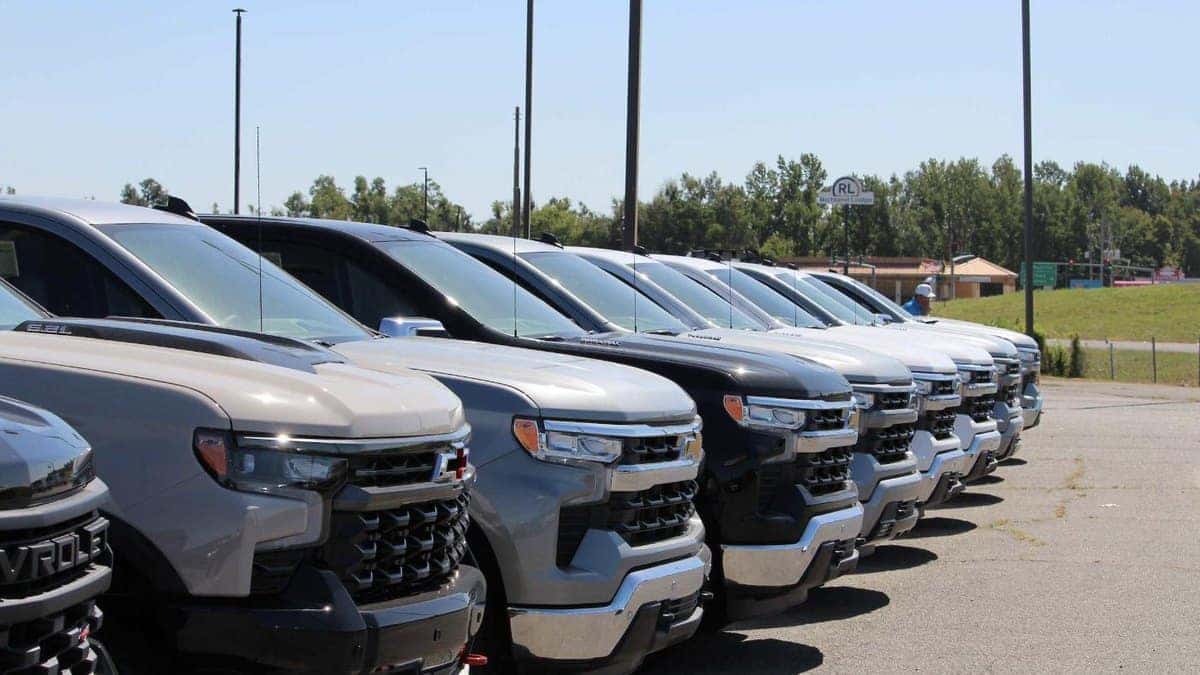
A used Silverado 1500 around Richland Parish has usually done real work. It has pulled a trailer down a turnrow, sat in a flooded field entrance during duck season, and run I-20 to Monroe a few hundred times. That is not a reason to avoid one. It is a reason to know what to look at before you buy, and to understand what a CarBravo certification does and does not tell you about the truck in front of you.
This guide covers which Silverado model years fit the certified window, what the inspection means for a truck that has worked for a living, a quick trim guide focused on what matters used rather than new, the engines by era in plain language, and the questions I would ask before signing on any certified Silverado at Jim Taylor Chevrolet in Rayville.
On This Page
Which Silverado 1500 model years can be CarBravo certified?
The standard CarBravo tier requires a vehicle less than 10 model years old with less than 100,000 miles. Measured against the 2026 model year, that means a Silverado 1500 from roughly 2017 forward. The BravoBudget tier picks up trucks 10 to 15 model years old and/or 100,000 to 150,000 miles, which reaches back to roughly 2011.
The window moves every model year, so treat those as edges rather than a rule. The standard tier, with its 126-point inspection and 12-month/12,000-mile bumper-to-bumper limited warranty, covers both the current-generation truck that launched for 2019 and the last few years of the generation before it. BravoBudget, with a 62-point inspection and a 30-day/1,000-mile powertrain limited warranty, is where the older, higher-mileage work trucks land.
Mileage is the more common disqualifier around here than age. A Silverado that has spent five years running between Rayville, Delhi and Vicksburg can cross 100,000 miles well before it is 10 years old, and at that point it moves to BravoBudget no matter how clean it is. Ask which tier a truck qualified for and what that means for the warranty. The full breakdown of both tiers lives in our guide to certified pre-owned Chevrolet vehicles in Rayville.
What does the inspection mean for a truck that has worked?
The 126-point inspection is a manufacturer-set checklist covering the engine, transmission, drivetrain, brakes, tires, suspension, steering, electrical and body, and anything that fails is repaired or the truck is not certified. For a Silverado that has worked, the parts of that inspection I would pay the most attention to are the frame, the bed, the hitch, the tires, the brakes and four-wheel-drive engagement.
Frame and underbody first. Delta soil and standing water are hard on anything under a truck, so look for surface rust versus scaling, and check the frame around the rear spring hangers and the receiver hitch mounts. The bed tells you how the truck was used: a spray-in liner with scuffs is a working truck, deep gouges and a bent tailgate mean heavy loads were dropped in. Pull the hitch cover and look at the receiver for wear on the pin holes, which tells you whether it towed regularly.
Tires and brakes are simple. Matching tires with even wear are a good sign; a mismatched set or feathered edges point to alignment or suspension issues the inspection should have addressed. On a 4×4, ask to see four-wheel drive engaged and disengaged in the lot, in both 4 High and 4 Low, and listen for anything that clunks. A certified truck has passed all of this, but ten minutes of looking costs nothing, and our service department can walk you through the completed inspection sheet for any certified truck on the lot.
Which Silverado trim makes sense used?
Used, the trim question is less about the badge and more about what the badge tells you about how the truck was optioned and probably used. Here is the lineup from the bottom up, with the used-buyer angle on each.
WT (Work Truck). Vinyl or cloth, basic screen, often a Regular or Double Cab. Most likely to have been a fleet, farm or contractor truck. Great value if the inspection is clean; check the bed and hitch carefully.
Custom. A WT with better wheels, a bigger screen and some appearance items. Popular as a personal truck on a budget. Still a simple truck underneath.
LT. The volume trim and the sweet spot for most used buyers: the useful tech and the widest choice of engines and packages. The most common certified Silverado you will find.
RST. The street-look trim: body-color trim, larger wheels, usually a V8. Often a personal truck rather than a work truck.
Custom Trail Boss and LT Trail Boss. Factory lift, all-terrain tires, off-road suspension and four-wheel drive. Excellent for a hunting lease or muddy field roads. Used, inspect the suspension and tires closely, because these trucks get used the way they were built to be.
LTZ. Leather, more driver-assistance features and more convenience equipment. A good certified buy if you want a comfortable daily driver that still tows.
High Country. The top luxury trim. Used, these are usually well cared for and hold value accordingly.
ZR2. The dedicated off-road truck, added in the current generation. Buy it for what it is. It is not the trim to pick if towing is your priority.
One trap to avoid: assuming the higher trim tows more. Towing depends on the engine, drivetrain, axle and whether the truck has the Max Trailering Package, not on the badge, and a well-equipped LT can out-tow a High Country optioned for comfort. Ask for the configuration’s tow rating for the specific truck. The 2026 numbers are broken out by configuration in our post on how much the Silverado 1500 actually tows, and the same logic applies to earlier years.
What engines will you find, by era?
Inside the certified window you will meet two generations of Silverado 1500. The earlier one, sold through 2018, offered a V6 and the 5.3L and 6.2L EcoTec3 V8s. The current generation, from 2019 on, added a 2.7L turbocharged four-cylinder and, shortly after, the 3.0L Duramax turbo-diesel, alongside the two V8s.
In plain terms: the 5.3L V8 is the engine most used Silverados have, every shop in North Louisiana knows how to work on it, and it is the safe default. The 6.2L V8 is the stronger gas engine and usually comes on higher trims. The 2.7L turbo, later branded TurboMax, surprises people who assume a four-cylinder cannot do truck work, and it is common on WT, Custom and LT trucks. The Duramax diesel is the pick for long highway miles and heavy trailers, and a certified one is worth a hard look if you tow regularly, because diesel maintenance history matters and the inspection covers it.
I am deliberately not putting horsepower or towing figures here, because they vary by model year, cab, bed, drivetrain and package, and a number for one truck is wrong for the next one on the lot. Ask for the configuration’s tow rating and check the payload sticker on the driver’s door jamb. The current-generation lineup is covered on our 2026 Chevrolet Silverado 1500 overview, which is useful background even if you are shopping a 2021.
Which certified Silverado fits farm, hunting or commuting duty?
For farm duty, a certified WT, Custom or LT 4×4 with a V8 and a clean frame. For a hunting truck, a Trail Boss or any 4×4 with all-terrain tires and a bed you do not mind getting muddy. For the I-20 commute, an LT, RST or LTZ with the 2.7L turbo or the diesel, where comfort and fuel economy matter more than the lift.
Around Richland Parish the first two overlap. The same truck that hauls seed in April is backing a boat down a ramp at Poverty Point Reservoir in June and pulling decoys and a dog box to a pit before daylight in December. That truck needs 4×4 that engages every time, a hitch that is not worn out, real tread, and a warranty that covers the transfer case if it lets go. A CarBravo certified 4×4 with the 12-month/12,000-mile warranty checks those boxes, and 24-hour roadside assistance means a dead battery at the boat ramp is a phone call, not a walk.
For the commuter who lives in Rayville and works in Monroe, the calculation is different. You want a quiet cab, good seats and an engine that does not drink fuel on the highway, and you will put miles on fast, which makes the warranty start date matter. A certified truck with factory coverage remaining stacks CarBravo on the end, which is where a lower-mileage LT or LTZ from the last few model years is the smart buy. The CarBravo warranty guide explains how that stacking works.
What should you ask before you buy?
Six questions, in the order I would ask them. Any salesperson at Jim Taylor Chevrolet should be able to answer every one without leaving the desk.
- Which CarBravo tier did this truck qualify for, and why? Standard or BravoBudget changes the inspection and the warranty.
- Can I see the completed inspection sheet and what was repaired? Tires, brakes and anything replaced during certification tell you a lot.
- How much factory warranty is left, and when does CarBravo start? Pull it by VIN. It changes how much coverage you will actually use.
- What is this configuration’s tow rating and payload? Ask for the specific truck’s numbers and look at the door jamb sticker, not a brochure.
- Does it have the Max Trailering Package, and does the 4WD engage cleanly? Check the window sticker or the option codes, then try it in the lot.
- What does the CARFAX show for owners, location and service history? It comes free with certification. Read it before you drive, not after.
If the answers line up, you have found a good truck. If any of them gets vague, slow down. Certified inventory changes weekly, so if the right Silverado is not on the lot, tell us what you are looking for and we will let you know when one comes through certification.
Key Takeaways
- Standard-tier CarBravo covers Silverados under 10 model years old with under 100,000 miles; BravoBudget reaches older and higher-mileage trucks with a shorter warranty.
- On a truck that has worked, look at the frame, bed, hitch, tires, brakes and 4WD engagement yourself, even though the inspection already has.
- LT is the sweet spot used. Trail Boss for the lease, LTZ or High Country for comfort, WT for value. The badge does not tell you how much it tows.
- The 5.3L V8 is the safe default; the Duramax is the highway and towing pick; the 2.7L turbo is better than its reputation.
- Ask for the specific truck’s tow rating, payload sticker, inspection sheet, remaining factory warranty and CARFAX before you sign.
Frequently Asked Questions
My take on buying a certified Silverado 1500
The best used Silverado I see come through Rayville is not the cleanest one. It is the one whose history matches its condition: a farm truck with a scuffed bed liner, a worn hitch and a spotless service record, or a commuter with high highway miles and evenly worn tires. The trucks that worry me look too good for their miles, and the certification inspection is the tool for sorting those out.
In my experience, a certified LT 4×4 with the 5.3L V8 and a few years of life left in the factory warranty is the truck most families around Richland Parish should be looking at. It will plant, haul, hunt and commute, it is covered bumper-to-bumper for a year after the factory coverage ends, and the people who inspected it are the people who will service it.
Bring your trailer’s real loaded weight and your list of questions. We will pull the truck’s numbers and the inspection sheet and go through it together at Jim Taylor Chevrolet in Rayville.
Eligibility windows are measured against the current model year and move annually; confirm the tier for any specific truck. This guide is part of our full overview of certified pre-owned Chevrolet vehicles in Rayville, which covers the program, the inspection and the warranty in one place.
About the Author
Sarah Pesek
Sarah Pesek is the Director of Sales and Marketing for Jim Taylor Auto Group, which includes Jim Taylor Chevrolet in Rayville, Jim Taylor Buick GMC in Monroe, and Jim Taylor Ford in Ruston, Louisiana. She covers Chevrolet vehicles, trim comparisons, and buyer guidance — helping families, farmers, hunters, and working professionals across North Louisiana find the right vehicle and configuration for their needs. Learn more about Sarah.
0 comment(s) so far on Certified Pre-Owned Silverado 1500: What to Look For Before You Buy